

Aircraft interior certification brings together design, testing, inspection, and regulatory compliance to ensure cabin modifications and seating configurations meet applicable FAA requirements. ACES supports this process through 16G dynamic seat certification, Layout of Passenger Accommodations (LOPA) development and approval, and final interior compliance inspection. With engineering, DER expertise, and in-house testing capabilities working together, potential issues can be identified earlier, required documentation and testing can be coordinated more efficiently, and completed installations can be verified before final approval and return to service.
Aircraft Interior Certification
ACES has extensive experience in the design, testing, certification, and alteration of dynamic seating systems. Our capabilities support aircraft seating projects from engineering and modification through testing and final certification.
ACES also maintains a library of certified dynamic seat upholstery data that can be used when replacing worn or damaged seat cushions. Because alterations to 16G seating systems may affect the original certification basis, additional engineering and dynamic sled testing may be required to demonstrate that the integrity and performance of the seating system have not been compromised.
Dynamic seating and restraint systems may require testing to demonstrate compliance with the applicable requirements of 14 CFR §§ 23.562, 25.562, 27.562, and 29.562. Seats are subjected to specified dynamic loads and configurations to evaluate occupant protection and structural performance. ACES has convenient access to a full-scale dynamic sled testing facility, helping reduce travel requirements, coordination time, and costly project delays.
Dynamic seat certification also includes applicable flammability requirements. ACES operates three in-house oil burner laboratories, allowing simultaneous seat cushion testing and providing additional capacity to keep certification programs moving efficiently.
Applicable CFRs
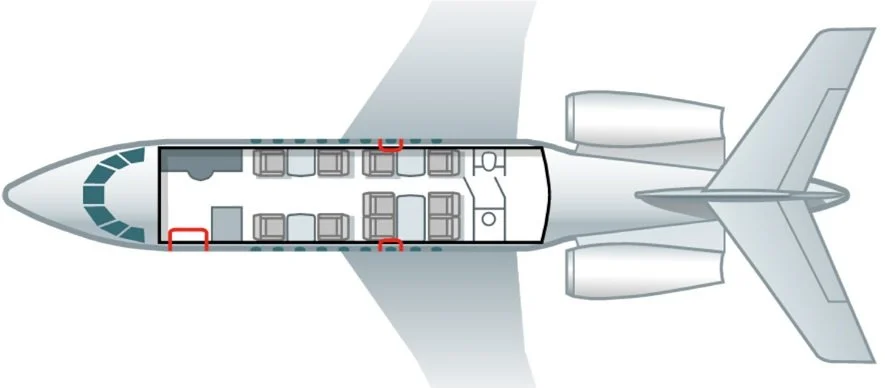
Developing or modifying an aircraft interior floorplan can involve numerous certification requirements that must be considered together. ACES provides engineering and certification support for Layout of Passenger Accommodations (LOPA) configurations to help customers create cabin layouts that satisfy applicable regulatory requirements.
Important considerations can include seat installation locations, Head Injury Criterion (HIC) requirements, minimum aisle-width clearances, emergency-exit access and egress, passenger movement through the cabin, and the proper placement and availability of emergency oxygen and other required safety equipment.
By addressing these requirements during the configuration and design process, ACES can help identify potential compliance issues before installation, reducing the need for costly redesign or rework later in the certification program.
An interior compliance inspection is an important final step in the aircraft interior certification process before an aircraft is returned to service. ACES DERs can inspect the completed interior directly against applicable regulations and approved design data to verify that installed components and cabin arrangements meet required safety and certification standards.
The inspection may include inspection of passenger and crew seats, emergency equipment, placards and required signage, emergency lighting, oxygen masks and systems, aisle-width clearances, emergency exits, and other components or features that affect occupant safety.
Performing a detailed inspection of the completed installation allows potential discrepancies to be identified and addressed before final approval. Combined with ACES engineering, testing, and DER capabilities, compliance inspections provide customers with an efficient final verification that the installed aircraft interior conforms to the approved configuration and applicable regulatory requirements.